Picture this.
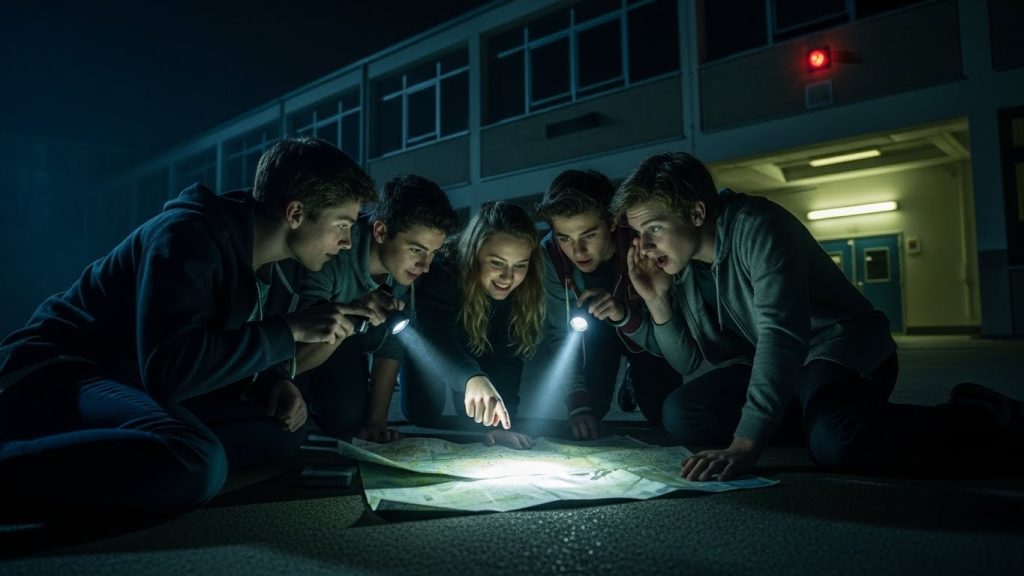
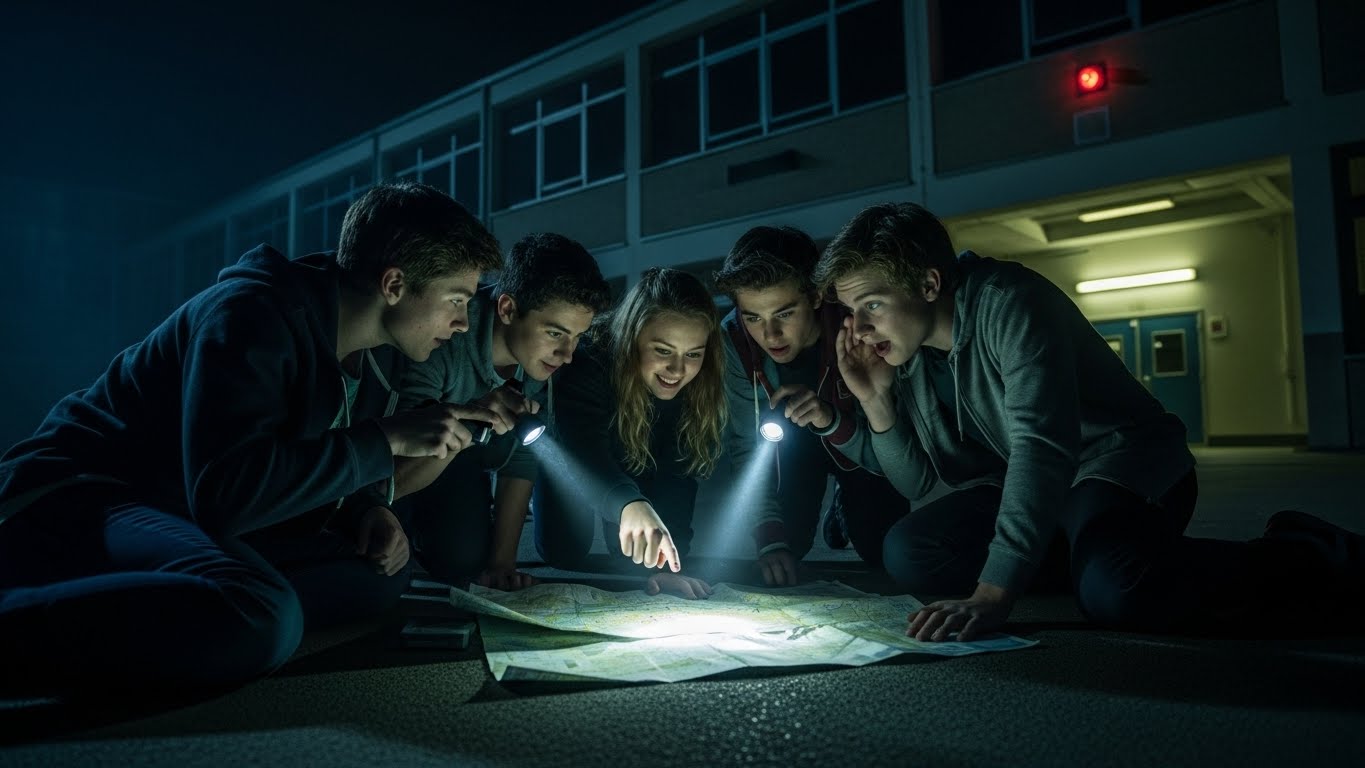
It is midnight. You and your friends sneak into school with toilet paper, plastic wrap, and maybe a few “extra” ideas nobody told the adults about. Everyone is laughing. It feels bold, exciting, and a little bit heroic.
By morning, the hallway is a mess.
By lunch, the video is on the news.
By night, someone is facing charges.
That is the heart of a senior prank gone wrong. It starts as a joke and ends as a story adults tell with a heavy sigh.
In this guide, we will look at why pranks go wrong, how they affect people, and how you can raise your own level of awareness so your last weeks of high school are a step forward in your life, not a step back.
What A “Senior Prank Gone Wrong” Really Looks Like
In recent years, many schools have seen pranks slide into full-on vandalism:
- In Hanover, Massachusetts, about 90 students broke in after hours. They covered the school in toilet paper, confetti, and plastic wrap and left smashed fruit, especially pineapples, across floors and hallways. Staff called the behavior “immature” and “disrespectful,” and the class had to take responsibility for clean-up costs. hanoverschools.org
- In South River, New Jersey, a prank rearranged furniture, emptied a gym of equipment, and draped entire hallways in toilet paper. Nothing was stolen or broken, but the building was so disrupted that officials closed school for the day and treated the event as “criminal mischief.” NBCNewYork
- At Santa Barbara High School, students used baby oil and raw fish. Neighbors heard breaking glass. Police detained dozens of teens and described it as a “senior prank gone wrong” that caused significant damage. CityofSantaBarbara
- In Garden Grove, California, a teen was injured and taken away on a gurney after a prank failed on campus in the early morning. ABC7
These are not cute memories. They create:
- Police reports
- Insurance claims
- News stories that live online forever
- And sometimes, real physical harm
Across the United States, most public schools record at least one violent or non-violent incident each year, adding up to hundreds of thousands of cases. Vandalism alone has been estimated in earlier studies to cost schools hundreds of millions of dollars a year.
A “joke” that adds to that pile is a bigger deal than it feels at 2 a.m. with your friends.

Military Thriller
The Commander-in-Chief’s Trophy
By Paul Danna
A gripping military thriller that follows a special forces team racing against time to prevent a catastrophic attack. Filled with authentic military details, intense action, and political intrigue that will keep you on the edge of your seat.
- Authentic military details
- Heart-pounding action sequences
- Political intrigue and suspense
Why Senior Pranks Feel So Tempting
Before we blame “kids these days,” it helps to understand what pulls students in.
A senior prank taps into some deep parts of human consciousness:
- The urge to mark a transition
You are leaving childhood and stepping toward adulthood. You want a moment that says, “We were here.” - The desire for belonging
Doing something bold together feels like a shortcut to connection. - The thrill of testing limits
Teens are wired to chase new experiences. This can be healthy when it means sports, art, or travel. It gets risky when the test is “How much can we get away with?”
In one story about military cadets, a group tries to pull off a “spirit mission” prank against a rival academy. They plan, they scheme, and they nearly throw away their careers. Later, their boldness is redirected into a real mission that demands teamwork, focus, and respect for risk. The same courage that almost ruined them ends up saving lives.
That is the core lesson for any senior prank:
Your drive for fun and daring is real. The question is how aware you are of the impact.
The Self-Awareness Stages Of A Senior Prank
Think of a prank as moving through self-awareness stages:
- Low awareness: “It’s just a joke.”
You only see your friend group. You do not think about the custodian, the teacher with a bad back, or the freshman who has to walk through raw fish smell all day. - Middle awareness: “Someone might be mad, but we’ll clean it.”
You see some consequences, but still place the group’s fun above everyone else. - High awareness: “People’s time, safety, and dignity matter.”
You measure your idea against a bigger picture: safety, respect, school culture, and your own future.
Each bump in awareness is a small awakening. You move from “me and my friends right now” to “all of us, and the long term.”
A senior prank goes wrong when the group gets stuck in level one or two.
Clear Red Flags That A Prank Is About To Go Wrong
Here are simple checks. If your idea hits any of these, your awareness alarm should ring.
1. You have to break rules just to start
- Sneaking in after hours
- Picking locks
- Climbing roofs
- Ignoring “do not enter” areas
That is not a prank. That is trespassing.
2. You need to hide it from every adult who cares about you
If you know your favorite teacher, coach, or parent would say “Please don’t,” and your only plan is to keep them in the dark, pause. That is low emotional awareness, not bravery.
3. You create extra work for people who did not get a choice
If your “joke” means hours of clean-up for custodians or teachers, ask yourself:
“Am I okay with taking part in something that steals someone else’s time and energy?”
4. You are using anything slippery, sharp, hard to clean, or alive
- Baby oil
- Raw fish or eggs
- Glass
- Animals (like cows, pigs, goats, or insects)
These add risk of injury, property damage, or cruelty.
5. You hear yourself saying, “No one will get hurt… probably.”
The word “probably” is your sign that your level of awareness is still low. A plan that truly respects safety does not need that word.
The Hidden Ripple Effects Adults See (That You Might Miss)
From the outside, a hallway full of toilet paper can look like “no big deal.”
From the inside, it looks very different.
- Custodians lose sleep and overtime pay just to restore basic order.
- Teachers feel disrespected in a job where they already face stress and burnout.
- Younger students may feel unsafe when they see police cars and broken glass.
- Parents and colleges see news clips that live online long after you graduate.
One report estimated that school crime costs victims over $600 million per year in direct costs in the United States. Vandalism is a big slice of that number.
So your prank is not just a private memory. It plugs into a national pattern of damage and fear in schools.
From Prank To Personal Growth: A Different Way To Look At It
Here is the shift:
Instead of asking,
“How wild can we make this?”
ask,
“What does this say about our level of awareness and who we are becoming?”
That one question moves you up a stage in personal growth.
A Simple Awareness Ladder
You can think of your choices in five quick levels:
- Impulse – “It would be funny.”
- Group energy – “Everyone else wants it.”
- Basic safety – “Could someone get hurt?”
- Respect – “Does this honor people who care for this place?”
- Legacy – “Will I be proud of this story in ten years?”
The goal is not to be perfect. The goal is to climb at least one step higher than your first impulse.
That shift in human consciousness turns a prank into a mirror. You see who you are, not just what you did.
How To Plan A Senior Tradition That Does Not End In The News
You can still have a “last big memory” without police tape. Here is a simple rule set.
Rule 1: Zero harm, zero mess that others must fix
If your idea needs mops, ladders, or paint scrapers, drop it.
Better options:
- A dress-up day where the entire class comes in themed outfits
- A “reverse day” where seniors greet buses, hold signs, and cheer on younger grades
- A chalk art path outside (using washable chalk, approved by admin)
- A flash-mob song or dance in the courtyard, cleared ahead of time
Rule 2: Get at least one adult partner
Find a teacher, counselor, or admin who gets student humor. Share your plan. Accept feedback.
This does not kill the fun. It increases your emotional awareness and helps you avoid blind spots.
Rule 3: Build, don’t destroy
Think of your senior moment as a gift:
- Plant a tree or create a mural with permission.
- Sponsor a charity drive with a funny theme.
- Record a “thank you” video for staff that plays during announcements.
You still get a shared memory. But you also leave the school better than you found it.
What If You Were Part Of A Senior Prank Gone Wrong?
Maybe you are reading this after the fact. The prank already happened. People are angry. You feel scared, guilty, or both.
Here is how to move forward with as much dignity as possible.
1. Tell the truth
Own your part. Do not pile the blame on one “ringleader.” Growth starts with honesty.
2. Apologize in a real way
A real apology sounds like:
“I helped plan this. I did not think through the impact. I am sorry for the stress and extra work. I am ready to help fix it.”
3. Help repair the harm
Volunteer for clean-up, write apology letters, and meet with staff if allowed. Actions show that your awareness has shifted.
4. Reflect on your own awakening
Ask yourself:
- What did I learn about my own decision process?
- What level of awareness was I in that night?
- How can I use that same boldness in a healthier way next time?
Mistakes hurt. They are also powerful teachers if you stay open.
FAQs About Senior Pranks Gone Wrong
1. Is a senior prank always a bad idea?
Not always. A prank that is safe, respectful, and approved by the school can be a fun tradition. The trouble starts when it includes trespassing, vandalism, or risk of injury.
2. Can students really get charged with a crime for a prank?
Yes. Many recent cases have been labeled criminal mischief or vandalism. Police reports do not care that you called it a prank.
3. Will a senior prank gone wrong affect college admissions?
It can. Suspensions, expulsions, and arrests may appear in discipline records or background checks. Even if they don’t, news stories and social posts can follow your name online.
4. What is a safe example of a senior prank?
Examples include:
- Organizing a surprise “formal day” where everyone dresses like they are going to a gala
- Turning the senior hallway into a mini museum of school memories with photos (with permission)
- Hosting a school-wide game or scavenger hunt that raises money for a good cause
No damage. No late-night break-ins. No fear.
5. How can I raise my level of awareness before making big choices?
Pause and run through three quick questions:
- Who could be harmed or stressed by this?
- How would I feel if someone did this to my home or job?
- Will this story help or hurt my future self?
These small checks build stronger emotional awareness over time.
Your Last Weeks Of School Can Be A Real Awakening
A senior prank gone wrong is not really about toilet paper, pineapples, or golf carts. It is about choice.
You are standing in the space between childhood and adulthood. Your actions now are early practice for the kind of person you are becoming:
- Someone who sees only the joke
- Or someone who sees people, consequences, and legacy too
If this article helped you raise your awareness even a little, share it with a friend, a class chat, or a student council group. Start a real talk about what kind of memory your class wants to leave behind.
Your story is still being written. Make it one you are proud to tell.