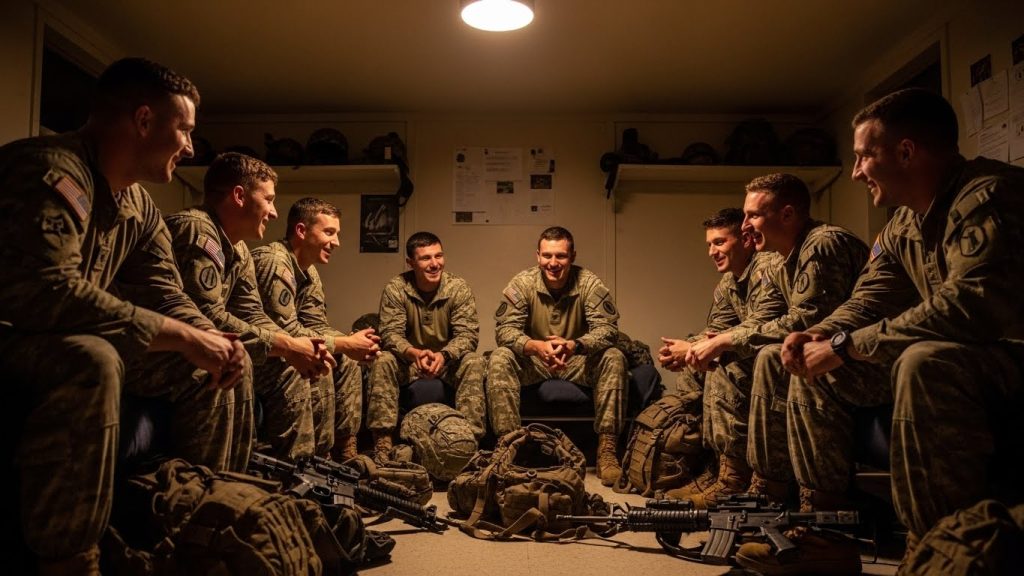
Military conflict is fought not just with tanks, tactics, and troops; most of the real competition takes place outside the battlefield, where silent strategies, psychological maneuvering, institutional rivalries, and politics determine the outcomes long before soldiers ever take their first step onto the training field.
Paul H. D’Anna does this brilliantly in The Commander In Chief’s Trophy: Second Edition, where a seemingly harmless prank between military academies turns into a full-blown chain of events involving pride, honor, loyalty, and consequences stretching far beyond campus walls.
This article explores those covert games and why understanding them is essential for grasping the full picture of military culture.
Hidden Arena of Military Power
To understand modern power, people must look not only at the visible conflict but also at the silent struggles happening behind closed doors. These hidden contests are as old as warfare itself, but in today’s interconnected world, they have become more sophisticated — and more impactful — than ever.
The military operates within an ecosystem of politics, diplomacy, funding, and intelligence. Each branch competes for influence, technology, and strategic relevance. These “covert games” are not illegal or malicious; they are built into the structure of any large institution where power matters.
Author Paul H. D’Anna highlights this through the spirited, legendary rivalry represented by the Commander-in-Chief’s Trophy—a symbol of pride, excellence, and dominance between Army, Navy, and Air Force football.
How Covert Military Rivalries Work
Military rivalries often manifest in various ways, sometimes by positioning for new technologies or by claiming greater relevance in national defense strategies. Sometimes it is about shaping public opinion through narratives and media presence.
The following are key dynamics that define invisible military competition:
1. Strategic Competition for Funding and Resources
Every branch competes for its share of the defense budget. This specific competition is not always visible, but it drives policy decisions, technology development, and military priorities. For example, when drones rose to prominence, the Air Force and Army negotiated control over drone fleets for years—each branch wanted to lead innovation.
2. Internal Influence and Political Leverage
The branch works to position itself as essential to national security. High-ranking leaders advocate for their branch’s strategic importance, highlighting their missions to Congress and the public. This competition shapes everything from base construction to interagency collaboration.
3. Controlling the Narrative and Public Perception
Public support is crucial for military identity, recruitment, and funding. Branches often compete in branding — through films, advertisements, sports partnerships, and public outreach — to portray themselves as the strongest, most elite, or most essential. This is why you may see recruitment commercials highlighting different values: the Marines focus on toughness, the Navy on adventure, the Air Force on intelligence, and the Army on leadership.
4. Innovation Races and Technology Advantage
Military strength depends on who leads in cutting-edge weaponry, intelligence systems, and cyber capabilities. Branches quietly compete in developing advanced technologies like artificial intelligence, space systems, and cybersecurity platforms. This innovation race is one of the most intense modern rivalries—and the public rarely sees the behind-the-scenes battles.
5. Influence Over Diplomatic and International Relations
Although diplomacy is handled at a national level, military alliances shape international positioning. Branches may pursue joint exercises, partnerships, or strategic deployments that enhance their global footprint. These decisions often involve political calculations that indirectly influence foreign policy, diplomatic negotiations, and long-term national strategy.
Human Impact of Military Rivalries

Image Source: Unsplash
While these rivalries can strengthen innovation and accountability, they also have widespread effects. Behind the sophisticated strategies and political maneuvering are real people with their civilian lives at stake.
1. Pressure on Service Members and Their Families
When branches compete, expectations rise. Units are pushed to outshine one another, especially in areas such as training and discipline—even performance. This competitive attitude may achieve excellence for sure, but it also adds stress to service members, who already bear the burden of duty. Furthermore, families feel the pressure of these conditions indirectly. Longer deployments and a heavier work schedule burden relationship—both romantic and familial ties.
2. Effects on Communities Near Military Bases
Communities often rely on the economic and social presence of military installations in their cities or towns. When branches compete for resources, base expansions or closures can shift dramatically. A decision made during a covert competition may mean thousands of new jobs or the sudden loss of them. In that line, local economies, schools, and infrastructure often rise and fall amid these invisible power struggles.
3. Managing Transition and Reintegration
When leaving active duty service, the culture of competition follows them. It informs the way in which they navigate civilian life, employment, and post-conflict recovery. Often, those veterans who were professionally trained in high-performance environments find difficulty adapting to the slower pace in civilian systems. By being aware of such hidden dynamics, the person is better able to support the transitioning service member.
4. The Political Ripple Effect
Behind every covert rivalry are broader government implications.
These include influence over diplomatic decisions and socio-political consequences that shape national conversations about war, peace, and global responsibility. Strategic decisions born from inter-service competition may directly impact how the nation interacts with allies, adversaries, and international organizations.
5. Impact on Peace, Diplomacy, and Global Stability
Covert military competition affects strategic decisions—that includes cooperation, intelligence sharing, and international readiness. This also intersects with broader needs for diplomatic negotiations that maintain international order. Understanding these forces is essential for creating informed policies that promote global stability.
Consequences of Military Rivalry
While competition strengthens military excellence, it can also lead to unintended outcomes.
For instance, minor incidents are escalated even when they’re unnecessary. A prank, rumor, or symbolic insult can spiral into formal disciplinary action—or even diplomatic tension, as history has shown.
At other times, excessive rivalry may cause branches to withhold information or fail to cooperate fully in joint missions. This can be troubling for all the branches and people.
And lastly, this adds pressure on cadets. Young cadets feel an immense responsibility to uphold their academy’s honor, sometimes pushing them to make dangerous decisions.
Behind the Military Power
The Commander In Chief’s Trophy: Second Edition masterfully unveils how a small incident can ignite chaos inside a tightly disciplined system. D’Anna shows that the greatest battles sometimes happen behind closed doors—among administrators, honor boards, and cadet leaders trying to navigate pride, loyalty, and consequences.
Dive into the military world created by D’Anna, and be amazed by his incredible storytelling and vision; make the book yours today.