If you spend time with service members, veterans, or military families, you notice two things very fast:
- Life runs on rules and routines.
- Under those rules is a deep, very human mix of fear, pride, humor, and loyalty.
So how can military culture best be defined in a way that covers both?
Let’s break it down in clear language, with real examples, and link it to things like self-awareness, emotional awareness, and personal growth.

Military Thriller
The Commander-in-Chief’s Trophy
By Paul Danna
A gripping military thriller that follows a special forces team racing against time to prevent a catastrophic attack. Filled with authentic military details, intense action, and political intrigue that will keep you on the edge of your seat.
- Authentic military details
- Heart-pounding action sequences
- Political intrigue and suspense
What Do People Mean By “Military Culture”?
Scholars often define culture as the shared values, norms, and traditions that shape how a group thinks, feels, and acts.
Military culture is the idea applied to the armed forces.
Short working definition
Military culture is the shared values, beliefs, norms, stories, and habits that grow inside the armed forces and guide how service members think, act, relate to each other, and see their place in society.
It is:
- Institutional: built into rules, training, and traditions. ResearchGate
- Group-based: shaped by units, branches, and specialties.
- Personal: lived through each person’s own history, trauma, strengths, and levels of awareness.
The Core Building Blocks Of Military Culture
1. Mission first, but people matter
Most descriptions of military culture put mission focus at the center. The job must get done, even under fear and stress. ResearchGate
From day one, recruits learn:
- The mission comes before comfort.
- Your actions can risk lives.
- You are part of something bigger than yourself.
This mindset can shape human consciousness in powerful ways. Many service members describe a shift from “me first” to “team and mission first.” That shift can feel like an awakening: a new level of awareness of how your choices affect others.
2. Chain of command and hierarchy
Military culture is deeply hierarchical. Orders flow down, responsibility flows up. PMC
This structure:
- Brings clarity in crisis
- Creates clear roles (enlisted, NCOs, officers)
- It can clash with civilian spaces that expect open debate and shared decision-making, such as modern mental health care.
Understanding this hierarchy is key if you work with veterans. Direct questions like “What do you want?” may feel odd to someone who spent years following orders.
3. Training, drills, and “muscle memory.”
Boot camp and later training do more than teach skills. They grind in:
- Obedience to lawful orders
- Speed under stress
- Shared hardship
Think of long ruck marches, endless drills, and practice jumps with heavy gear. In one story about cadets training for a special mission, a joking, clumsy teammate slowly becomes part of a sharp, well-coordinated small unit through repeated field exercises, surprise wake-ups, and strict standards.
These rituals create self-awareness stages:
- Shock: “What did I sign up for?”
- Adaptation: “I can push more than I thought.”
- Integration: “This is who I am now.”
4. Traditions, symbols, and stories
Culture lives in stories: unit legends, heroic last stands, clever pranks, and myths about past battles.
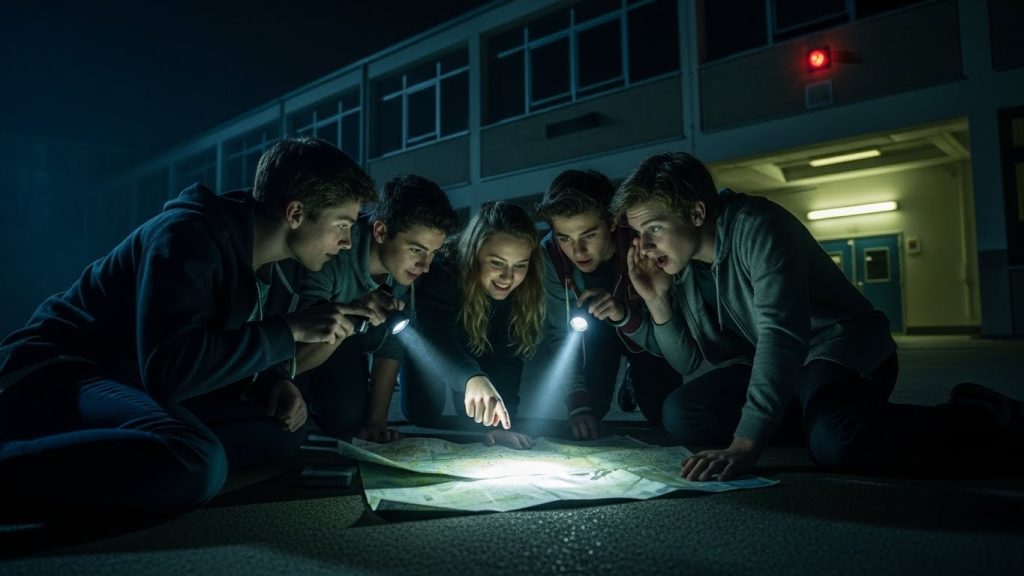
For example, there are stories where cadets plot to steal a rival academy’s mascot goat or even a major trophy. The schemes involve careful planning, decoys, tech gadgets, and a healthy dose of mischief. The stakes feel huge, even though it is “just” a prank.
Why do these stories matter?
They show:
- Fierce rivalry between services
- A taste for bold, high-risk moves
- Humor as a way to bond and handle stress
- Pride in outsmarting the other side, not only out-muscling them
These tales are part of the culture just as much as official mottos.
Levels Of Awareness Inside Military Culture
To really define military culture, it helps to look at levels of awareness:
Level 1: Self
Here the focus is:
- “Can I handle this?”
- “Am I strong enough, brave enough, disciplined enough?”
Boot camp strips away old habits. People face fear, shame, exhaustion, and pride. This is where emotional awareness first spikes. You learn what scares you, what motivates you, and what shuts you down.
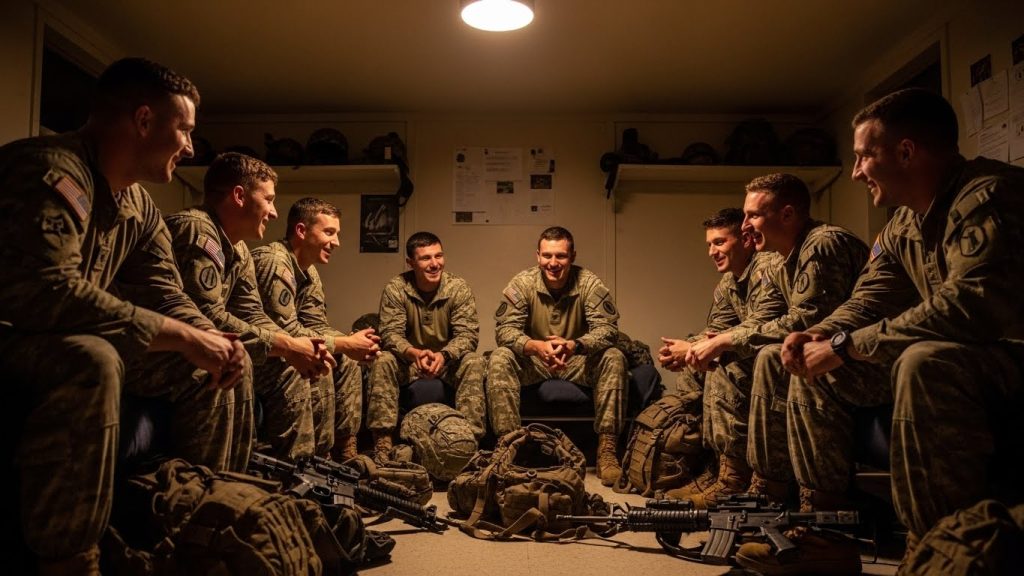
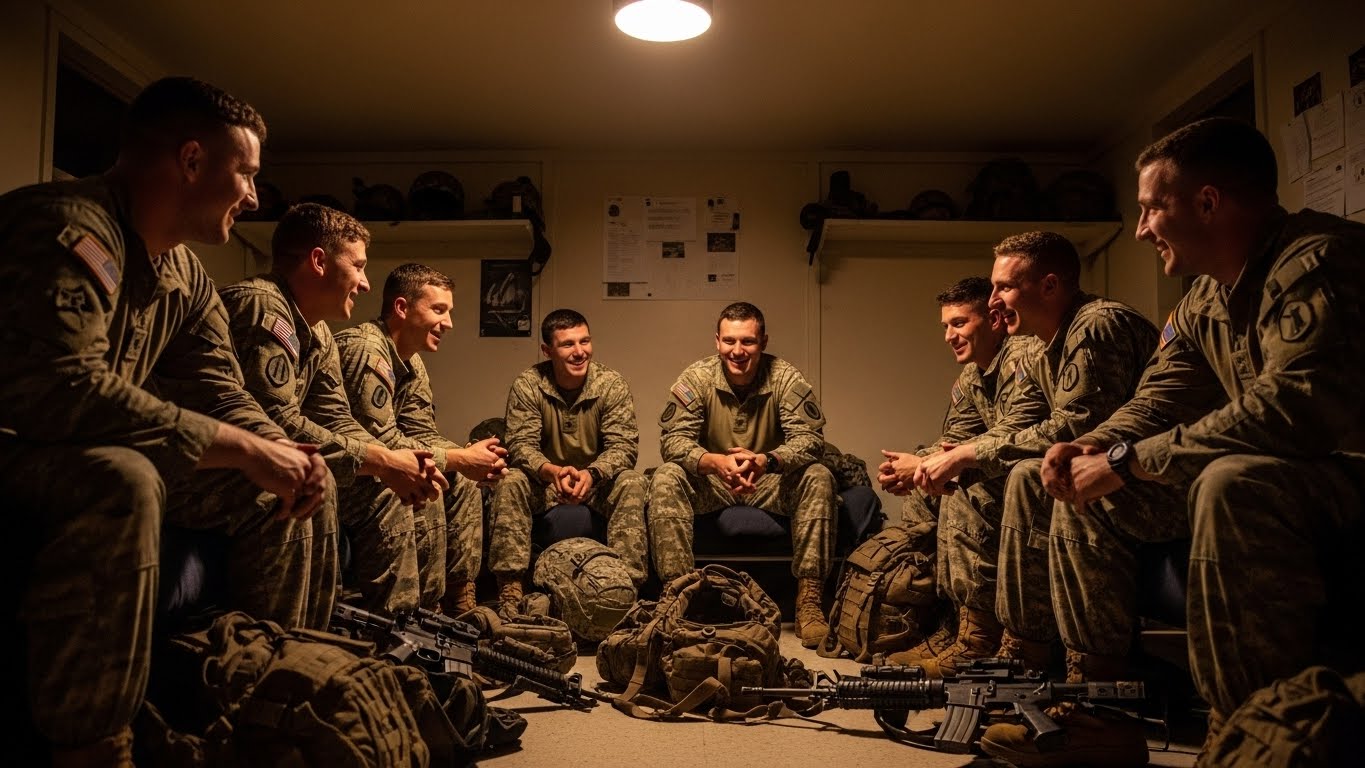
Level 2: Team
Next, awareness shifts from “I” to “we”:
- You start to feel incomplete without your squad.
- You instinctively check where others are in the room.
- Your daily choices are filtered through “Will this help or hurt my team?”
This deep sense of belonging can be healing for some and suffocating for others. It can boost personal growth, but it can also make later separation very painful.
Level 3: Mission and institution
At this level, people internalize:
- Service values (duty, honor, courage, integrity, commitment). GraftonCounty
- National identity and purpose (“I serve the people of my country”).
- A sense of moral duty about force and restraint.
This is where conflict can appear. If orders or events seem to clash with core values, moral injury can arise: a deep wound to conscience and identity.
Level 4: Society and humanity
Some service members reach a wider awareness that holds many truths at once:
- Pride in service
- Grief for lives lost on all sides
- Anger at poor policies
- Compassion for civilians in war zones
This level of human consciousness allows for complex reflection: “I did my duty, and I still question some choices. Both can be true.”
The Human Side: Humor, Fear, And Growth
Military culture is sometimes painted as cold or machine-like. In practice, it is full of feeling.
Coping through humor
Dark jokes in a tent. Friendly mockery of the new lieutenant. Silly nicknames. These are survival tools.
In stories of cadets and soldiers, you see humor show up during miserable field exercises, parachute failures that turn out okay, and long, boring nights on guard duty.
Humor:
- Diffuses fear
- Builds trust
- Keeps people grounded when danger is real
Living with risk
Military life brings high risk by design. Since 9/11, millions of U.S. service members have deployed, and many return with injuries seen and unseen. Veterans now make up about 15–18 million adults in the U.S., roughly 6 percent of the adult population. VAData
Risk shapes culture by:
- Encouraging tight discipline
- Rewarding calm under pressure
- Making trust and reliability sacred
Growth and “awakening.”
Many veterans describe service as a deep personal growth journey:
- greater discipline
- stronger sense of purpose
- higher empathy for people from other backgrounds
- new levels of emotional awareness after facing loss
Others carry heavy burdens. Military culture can make it hard to ask for help, because self-reliance and toughness are prized.
So the same culture that builds strength can also delay healing.
Subcultures: One Military, Many Worlds
There is no single military culture. There are many subcultures:
- Branch: Army, Navy, Air Force, Marine Corps, Coast Guard, Space Force, each has a distinct history, jokes, and styles. BamaatWork
- Occupation: Infantry, pilots, medics, cyber units, and logistics all develop their own norms.
- Status: Active duty, Reserve, National Guard, and veterans experience different rules and pressures.
- Identity: Gender, race, religion, and orientation intersect with service, sometimes in supportive ways and sometimes through bias.
A simple definition of military culture should leave room for these differences. Think of it as a shared “frame” that holds many pictures.
Why Understanding Military Culture Matters
For families and friends
If someone you love is in uniform, understanding their culture helps you:
- Read their silence after a hard day
- Respect their need for structure and routine
- Spot times when loyal service crosses into burnout or numbness
Simple steps like asking, “Do you want to tell me about that, or should I just sit with you?” show emotional awareness and respect.
For clinicians, teachers, and helpers
Research shows that mental health providers who learn about military culture earn more trust from veterans and give more effective care.
That means:
- Respecting the chain of command language, even in therapy
- Understanding why “weakness” feels like a loaded word
- Naming strengths: discipline, loyalty, courage, teamwork
For leaders and employers
Over 1.3 million people serve on active duty, and more than 15 million are veterans.
Harnessing their skills in civilian workplaces requires:
- Clear roles and expectations
- Honest feedback
- Space for veterans to keep some habits (punctuality, direct speech) while learning new ones (looser hierarchy, shared decisions)
5 Common Questions About Military Culture
1. Is military culture the same in every branch?
No. All branches share mission focus, hierarchy, and strong values, but each branch has its own slang, symbols, and style. A Navy sailor’s daily life looks very different from that of an Army infantry soldier or an Air Force cyber specialist.
2. Does military culture always make people tougher?
It often builds grit and discipline, but the story is more complex. Some people feel stronger and more focused. Others feel worn down, morally torn, or disconnected after long stress and trauma. Many feel both stronger and more fragile in different ways.
3. Why do some veterans say civilians “don’t understand”?
Because military culture shapes time, risk, and relationships in a unique way. Imagine spending years in a tight unit where people may die, then returning to a workplace where people argue about minor issues and show up late to meetings. The gap is real and can cause loneliness.
4. Is military culture only about combat?
No. It also covers families, children who grow up moving from base to base, rules about housing, dress, and even social media. It includes how people date, marry, and raise kids under frequent moves and deployments. USC
5. Can military culture change?
Yes. Over time, policies on race, gender, sexual orientation, mental health, and leadership style have shifted. But change tends to be slow, because tradition and continuity are highly valued.
A Clear Takeaway Definition
Putting it all together:
Military culture is the shared system of values, norms, stories, rituals, and daily habits that grows inside the armed forces and shapes how people think, feel, and act from boot camp through veteran life. It blends mission focus, hierarchy, teamwork, and deep bonds, and it continues to influence identity long after the uniform comes off.
Call To Action
If this helped you see military culture with fresh eyes, take one small step:
- Share this article with someone who works with veterans or military families.
- Add your own story or question in the comments so others can learn from it.
- Or save this guide as a reminder to meet service members with curiosity, empathy, and respect.
Understanding military culture is not about putting people in a box. It is about seeing the full human story behind the uniform.